
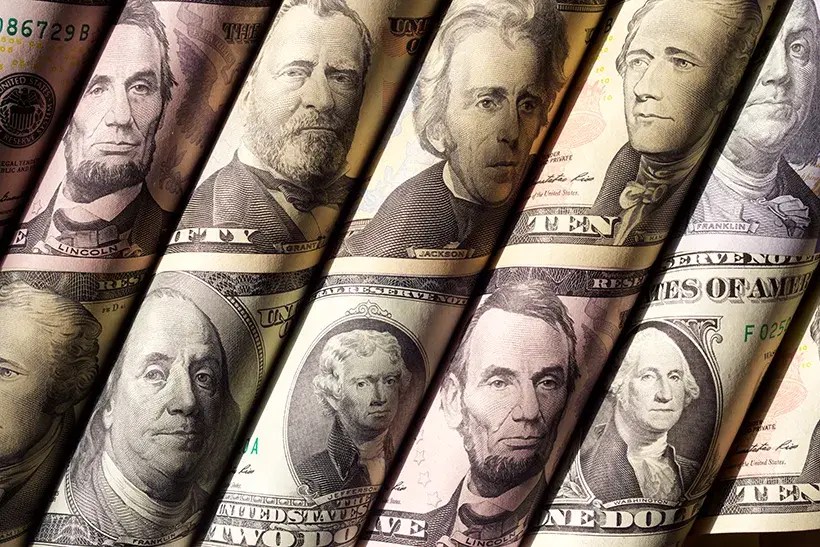
It’s no mystery that the name and likeness of U.S. Presidents are an easy mark for exploitation. While IP rights cover much of their “brand”, some commanders-in-chief have been less kind to the proprietary rights of others.
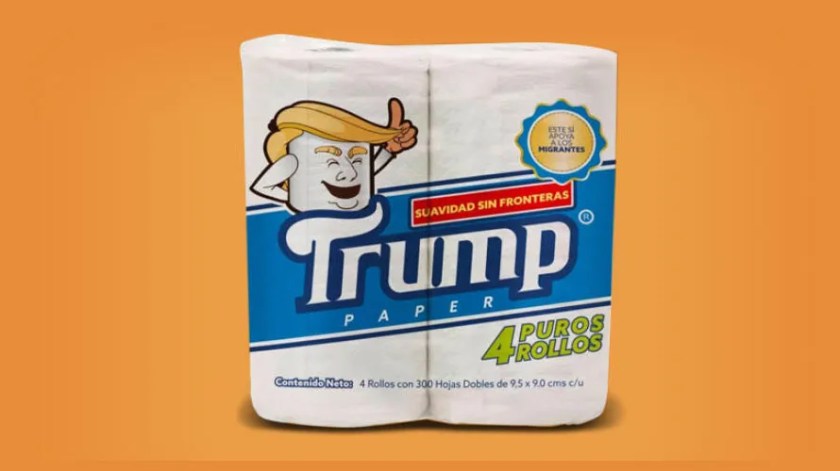
There are “Make America Great Again (MAGA)” ball caps, former President Trump’s “Success” fragrance, Donald Trump toilet paper (“his face on every sheet!”), and even a Trump “Chia Pet” with his likeness.
Mr. Trump has long been involved with the successful licensing of his name, likeness and content (from before “The Apprentice”), so he is well aware of the restrictions and benefits of trademark and copyright. “There is nothing to prevent him from registering additional trademarks while he is president,” says Legalzoom.
It’s unclear which of the products on which Trump’s name is associated are owned all or in part by him, or that he is receiving royalties from, and which are the responsibility of entrepreneurs venturing on their own.
600 Trademarks; 87 Countries
Traditionally, Mr. Trump has sought to protect his name and brand on every continent other than Antarctica, reports Forbes. He has secured roughly 600 trademarks in 87 countries, territories and international bodies worldwide, including both U.S. allies and adversaries, according to a financial disclosure.
“The country with the most registered trademarks is not the one he led for four years but one he constantly attacks, China,” writes the magazine. Trump and his companies hold 119 trademarks in mainland China — plus 21 more in Hong Kong and Macau, both China-controlled — compared to 56 in the U.S. and its territories.
“Federal trademark law makes it hard for anyone else [other than the President] to register a presidential trademark. Under the law, you aren’t allowed to register a trademark for any living person’s name, likeness, or signature without that person’s permission—and that includes a living president.”
On the other hand, artists that Trump has used to serve his political agenda have fired back at him for using their songs at rallies, leaving him subject to scrutiny from copyright infringement allegations and lawsuits.
Trump’s most notable copyright scandal involves Swedish Eurovision winners, ABBA, notes Lawdit Solicitors.
“Trump, is under fire for allegedly using the band’s classic hit songs at the Minnesota rally on the 27th July, including ‘Money, Money, Money’ and ‘The Winner Takes It All’.”
Interestingly, Swedish newspaper, Svenska Dagbladet, writes that Minnesota is the US state with the highest amount of Swedish people, revealing the tactical nature of Trump’s music choice.
ABBA’s record label, Universal music, claimed that no permission was requested by the former president, and thus his use of the swedish band’s music is a copyright violation. ABBA and their label have urged Donald Trump to stop using their music in his rallies, and demand that all videos of rallies, that include their music, be removed. It is unclear if he has complied.
(Isaac) Hayes v. Trump
Trump’s misuse of ABBA songs was not his first nor last copyright violation. His campaign has used the 1966 song, “Hold on, I’m Coming” numerous times in his political rallies across 2022-2024.
The song was written by the late Isaac Hayes and performed by Sam & Dave. The song’s copyright protection expired in 2022, where the copyright ownership returned to Hayes’ family. Hayes’ family has filed a lawsuit against Trump, and other defendants, in the Federal Court of Georgia for 134 counts of intellectual property infringement.
Presidential Widow’s Rights
Presidents also have an additional layer of protection that other people don’t. You need permission to register a trademark even after their death—for as long as their widow (or widower) is still alive. That means that until Nancy Reagan’s death in 2016, you needed her permission to register a Ronald Reagan trademark, even though the Gipper passed away in 2004.
Trademarks don’t apply to ornamental aspects of products, such as decorations on mugs or toilet paper. So while you couldn’t register a trademark for Jimmy Carter Peanut Butter without asking first, trademark law won’t prohibit you from putting Jimmy Carter’s face on a T-shirt, or Donald Trump’s head on a Chia Pet.
Because of the right of publicity, presidents can file a lawsuit to prevent their names and images from being used without permission for advertisements, endorsements, and other commercial purposes.
Former President Obama, for example, objected early on to blatant attempts to make money off of his name, including a Times Square billboard showing him wearing a clothing manufacturer’s jacket. But under the First Amendment, public figures such as presidents can’t prevent their names or pictures from being used for other reasons, such as news reporting, commentary, parody, or education.
Two-Way Street
U.S. Presidents’ hold somewhat more publicity protection than other citizens, but their images and names can often be exploited under the law. Increasingly, they are trademark or copyright holders themselves, but are not beyond infringing other IP holder’s rights, and have been sued for doing so.
Image source: adweek.com; currencydirect.com
 ipcloseup.com