
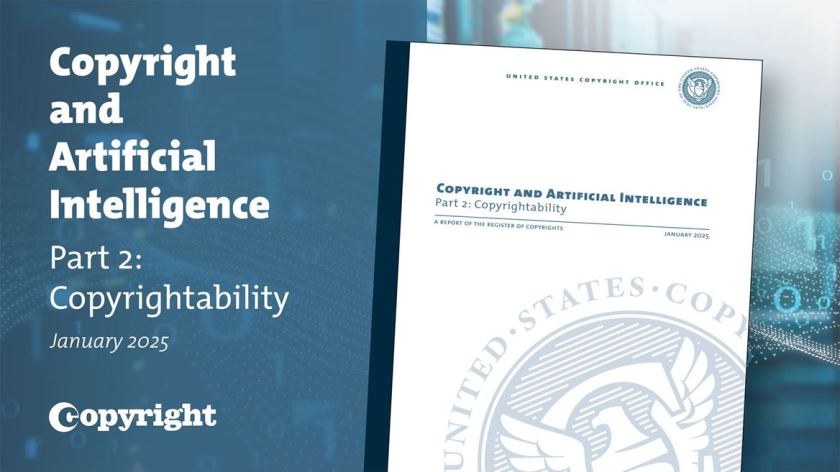
AI-generated content that contains evidence of a human’s creative choices can qualify for IP protection, according to the second part of a major report issued by the U.S. Copyright Office last week, “Copyright and Artificial Intelligence – Part Two, Copyrightability.”
The Copyright Office was less clear on what constitutes evidence of a human’s choice. Prompts, even highly specific ones, apparently do not qualify for copyright protection. The Office states that protection will only be afforded to works that have “meaningful human authorship: purely AI-generated content will not be eligible.”
Standard of Originality
“AI image generators work by receiving inputs or prompts. The Copyright Office says that these commands nor the outputs meet the threshold for authorship,” reports PetaPixel, a leading independent photography, videography, and imaging technology publication.
The Copyright Office says that these [prompt] commands nor the outputs meet the threshold for authorship
“If the human author adds or changes specific elements to the pictures using AI tools — commonly known as inpainting or remixing — then ‘such modifications rise to the minimum standard of originality required.'”
It would seem the operative word is “tools,” tools that can be used to assist in human creation.
Photographers who add or subtract elements from a photo using the AI-powered Generative Fill tool should still be afforded protection since they have made creative choices. Engineering a prompt, however, is apparently not considered a sufficiently creative choice to warrant copyright protection.
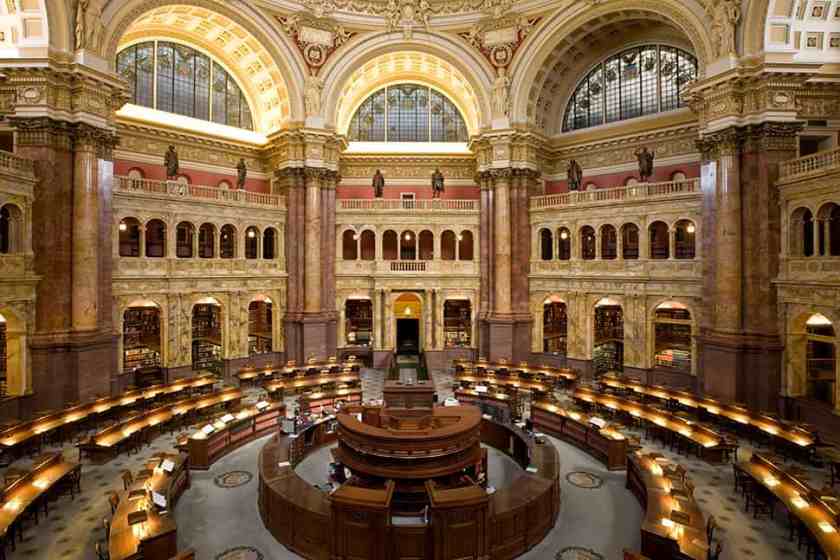
The Library of Congress
“Among the Copyright Office’s [original] recommendations was the need for passage of a federal law that would create a new form of property right for a person’s digital replica to disincentivize the creation of realistic but false depictions of individuals,” noted IPWatchdog.
Key conclusions of the report include:
- There is no need for legislative changes to accommodate works made using AI
- Copyright does not extend to purely AI-generated works and that includes works made using AI “prompts”
- Whether there is sufficient human control to warrant authorship must be determined on a case-by-case basis.
The current report follows an open consultation in which the office took opinions from thousands of people connected to AI — including photographers.
Unfair Use?
The Copyright Office, which is under the Library of Congress (pictured above), has avoided weighing in about whether it’s fair use to take copyrighted content without permission and use it to train AI systems. There are a number of lawsuits that have been filed in this area.
Part One of the report was released in July 2024. The 50-page Part Two of report is available here.
Image source: U.S. Copyright Office; Library of Congress
 ipcloseup.com