
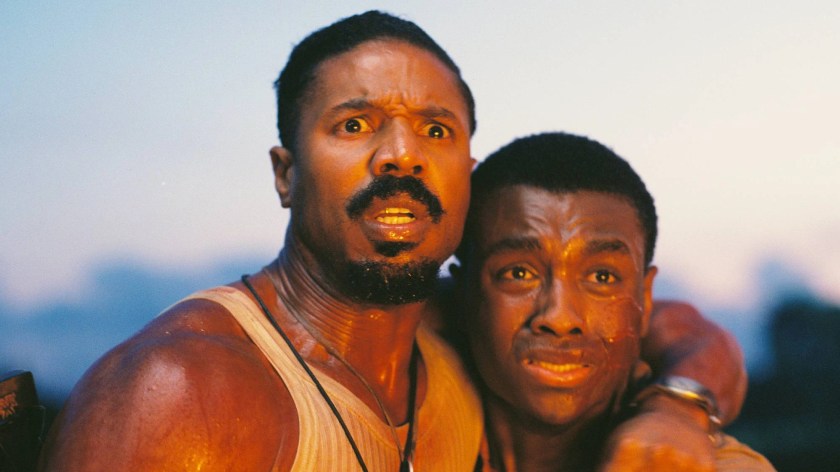
This summer’s blockbuster, “Sinners,” a horror movie set in the 1932 Mississippi, has come to represent an strangely satisfying entertainment for audiences and a potential nightmare for the studio executives and others responsible for monetizing IP assets and negotiating with the most successful creators.
Sinners (97% on the Tomatometer) is about the proprietors of a juke joint and blues club, and includes (spoiler alert!) abundant if not creative use of vampyres. The story, however, reflects a subtler narrative about ownership and the unique agreement involving intellectual property rights that the film’s celebrated writer-director, Ryan Coogler, was able to secure from Warner Bros.
Ownership Deal
Which characters associated with this movie who are in fact the the real sinners is deliberately left unclear. No matter, Coogler’s deal is likely have some studio executives running for their wooden stakes.
The 39-year old writer-director, who has generated more than $2 billion in box office on just five films, has carved out a much-reported ownership deal for the intellectual property of Sinners, including characters, that is virtually unprecedented among even leading directors and writers.
Some studio heads are upset because Coogler’s agreement gives him the rights to Sinners in 25 years (2050), when he is 63, as a dangerous precedent that could undermine the economics of the studio system. Shareholders may also be concerned.
“The trick is to discern a way to make those deals work on behalf of a company’s bottom line, while leaving room for innovators who may have earned the right to control the future of their assets.”
It is exceedingly rare to get a movie studio to agree to give the rights to one of its hits back to the filmmaker. Most studios fear the precedent it could set and the impact it may have on future revenue streams. But if they want to attract the highest achieving talent they may have no choice.
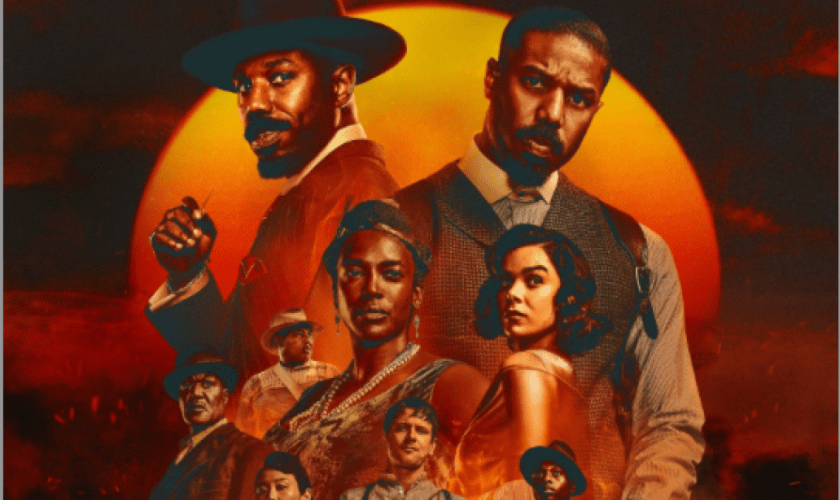
Take a few minutes to read my story about Coogler’s bold movie deal and its impact on copyright-based investments and, potentially, patents, as well. https://ipwatchdog.com/2025/08/13/intangible-investor-hit-horror-movies-ip-story-frightens-studio-execs-shouldnt/id=191117/
A Harbinger of IP Deals to Come?
“Coogler’s success and that of Swift, Prince, Gates, Brin and others—artists, inventors and entrepreneurs who were able to retain control, if not ownership of their IP rights, may be a harbinger of IP deal-making to come,” I write in IPWatchdog.
Part of the movie’s motif is the use of blues music, an artform that Blacks created but lost financial control of and only got back partially through popularity generated by young white musicians in England in the 1960s.
“With the playing field leveling somewhat for the most successful creators, forward-thinking music labels, movie studios, tech companies and publishers should not fear agreements that yield eventual control. They will become inevitable.
“The trick is to discern a way to make those deals work on behalf of a company’s bottom line, while leaving room for innovators who may have earned the right to control the future of their assets.”
Image source: WarnerBros
 ipcloseup.com