
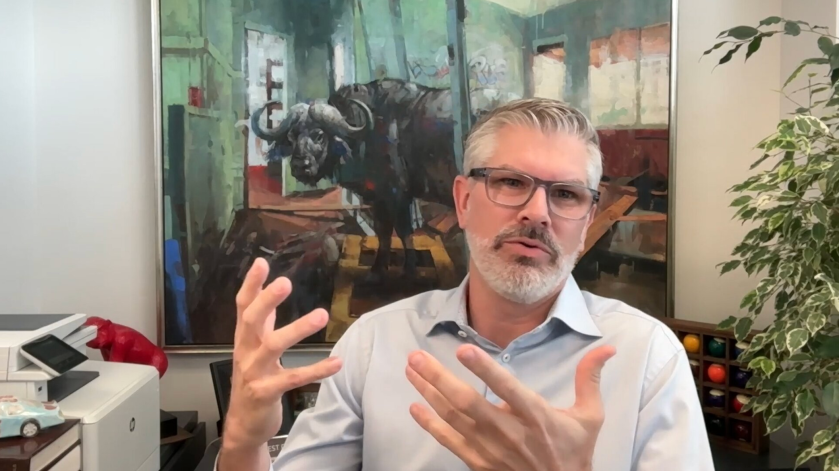
The landscape of patent licensing has undergone a dramatic shift since 2012. What was once a relatively collaborative process conducted between executives as a part of on-going business has become a contentious battle dominated by litigation and allegations.
Phil Hartstein, co-founder of Soryn IP Capital and former CEO of Finjan Holdings (NASDAQ: FNJN), recently joined me, Understanding IP Matters host Bruce Berman, to discuss this shift and its what it means for both businesses and innovation.
Hartstein brings a unique perspective to patent licensing, having orchestrated more than $500 million in licensing deals during his tenure at Finjan, a business focused on cybersecurity and licensing now owned by Fortress Investment Group. His experience spans both sides of IP transactions—as a company CEO monetizing patents and now as an investor providing capital and expertise to support patent enforcement efforts for companies that lack money or know-how to realize full value from their rights.
From Boardrooms to Courtrooms
Interest in IP monetization has created what Hartstein describes as a “10 to 15 year run up of just anybody with a patent thinking it is an open door to seek licenses.” The flood of enforcement actions has forced companies to develop triage systems for evaluating which claims deserve serious attention and which may be ignored.
Tap here to hear my interview with Phil on the episode, “Maximizing Patents with Capital.”
To view the episode on video, go here.
“The cost associated with even just pursuing a licensing program, leave aside litigation, you’re talking about specialty expertise, you’re talking about budgets that were not in the original line items when they were explored with venture capitalists,” Hartstein said. The uncertainty around timeline, outcome, and revenue predictability makes these programs incomprehensible to many technology companies, even those with substantial balance sheets.”
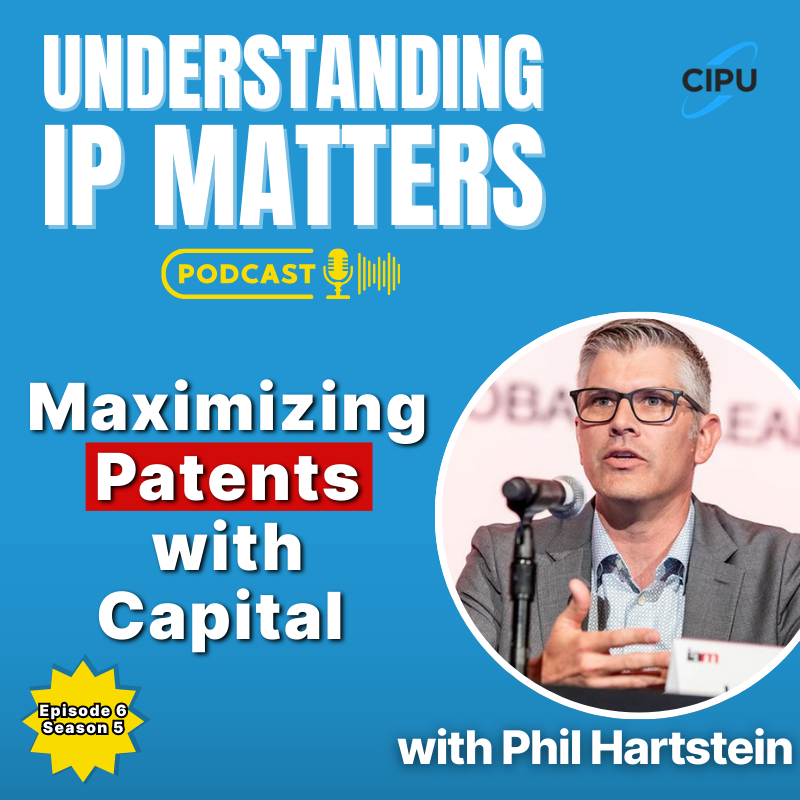
Addressing the perception that litigation funding aids “bad actors,” Hartstein strongly disagrees. He argues that it’s easy to isolate a few problematic cases and build a narrative that patent enforcement represents a nefarious pursuit, but this ignores the legitimate innovators who need resources to protect their rights against well-funded and much larger defendants with patience.
Bolstering Balance Sheets and Innovation
Patent monetization should no longer be viewed as a defensive last resort, explains Hartstein, but rather as a strategic responsibility extending to partners, stakeholders, and shareholders. “It strengthens not just individual business balance sheets but the broader innovation ecosystem.”
Subscribe to Understanding IP Matters if you have not already. Phil Hartstein will be speaking at the IP Awareness Summit on April 23rd at the Center for Science and Industry. IP CloseUp readers are eligible for an early bird discount.
Image source: The Center for IP Understanding
 ipcloseup.com