
No one said making money with Generative AI was going to be easy, but with costs skyrocketing even the biggest, most solvent and strategic investors
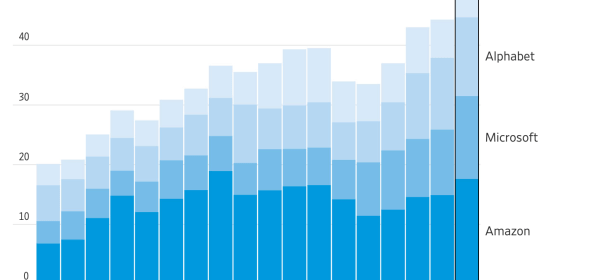
No one said making money with Generative AI was going to be easy, but with costs skyrocketing even the biggest, most solvent and strategic investors

After closing its latest round of funding on October 2nd, OpenAI, the company behind ChatGPT, is now valued at an incredible $157 billion. This might

A Durham University law professor said that China has accomplished a bold transformation to a modern society that leads in innovation and respects domestic and

The Center for Intellectual Property Understanding (CIPU) has announced that it is holding the 2025 IP Awareness Summit (IPAS 2025) on April 24th at Dolby

NEW YORK, NEW YORK, USA, September 23, 2024 — The content of the London-based IP communications platform, Ideas Matter, has been acquired by the Center
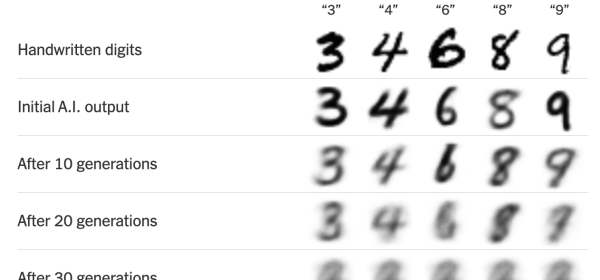
There is growing evidence that generative AI bots are devouring themselves because of lack of quality content generated by LLMs. A recent study published in

Iconic characters from Disney, Marvel and DC Comics (Warner Bros.) and other power brands will be entering the public domain at an alarming rate between

Former Alphabet employees say the company has become “less a hothouse of innovation than a cautious custodian of its search empire, which appears to be

IP backed securitizations or loans, commonly known at IP finance, rely on the ability of issuers like financial institutions to accurately value intangible assets, such

The outsized media coverage of last week’s World Intellectual Property Organization report on generative artificial intelligence shows China holds a huge lead on the U.S.

Legal battles currently being fought over aspects of generative artificial intelligence are an indication of the complexity and uncertainty that businesses and society are facing.

A report from the International Trademark Association (INTA) released recently, “Unlocking IP,” endeavors to addresses the question of how to disseminate factually correct, useful information
 ipcloseup.com