
2015 was a year of growth for IP CloseUp, as visits increased to 24,000 and subscriptions were up, too. The busiest day of the year
2015 was a year of growth for IP CloseUp, as visits increased to 24,000 and subscriptions were up, too. The busiest day of the year
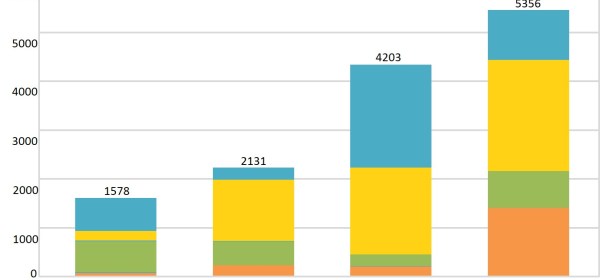
Despite dramatically lower patent valuations, some big companies, including under-performing foreign holders, have taken the number of U.S. sales to new highs. While IBM still
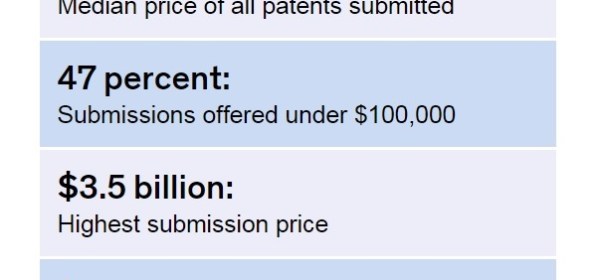
Better than one-in-four of the patents offered to Google for purchase as a result of its Patent Purchase Promotion in May were acquired by the
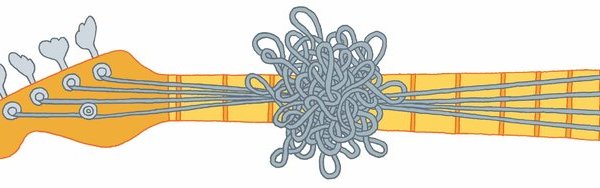
Song writers may have something to teach inventors when it comes to getting a fair share for their intellectual property rights, or not. Confusion

Acacia Research Corp. (NASDAQ: ACTG) was slammed in after-hours trading yesterday and is off 20% by noon today. The S&P 500 Index gained .66%. The
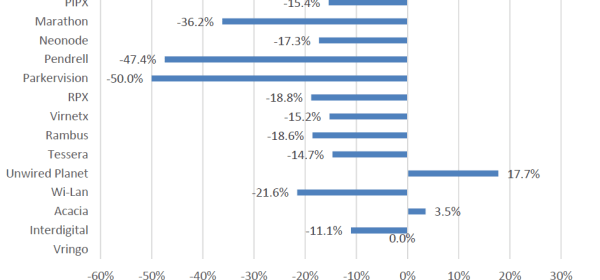
The PIPEX intellectual property sector stock index fell more than twice as much as the S&P 500 as the effects of the Alice and IPRs,

Lack of certainty and the high cost of monetizing patents are motivating some businesses to acquire impressive looking patents, not necessarily valid or essential ones.
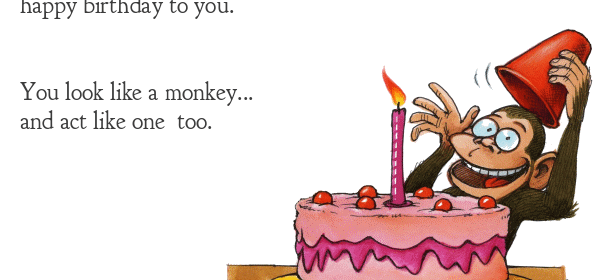
U.S. District Judge George H. King’s ruling earlier this week means that “Happy Birthday to You” is now what’s known as an “orphan work” —
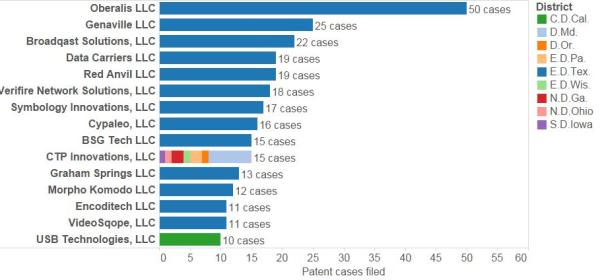
After a dip in filings for 2014, Texas is back as the undisputed leader in hearing patent suits filed by plaintiffs for the first half

A good patent is becoming increasingly harder to find. In the current issue of WIPO Magazine my article, “The puzzle that is patent quality,” looks at
Polaroid v. Kodak, concluded in 1991 after 15 years, was the first “billion dollar” patent damages award ($909 million). Until this year, it was the
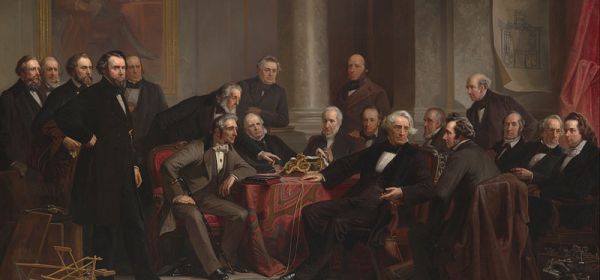
A group portrait honoring America’s rich invention history captures its greatest inventors in a moment in time that never occurred. The painting hangs in
 ipcloseup.com