
Song writers may have something to teach inventors when it comes to getting a fair share for their intellectual property rights, or not. Confusion
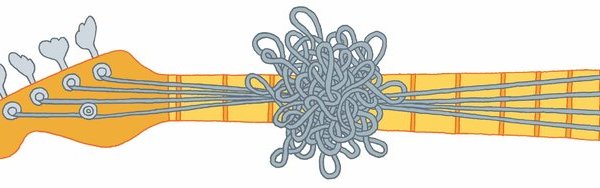
Song writers may have something to teach inventors when it comes to getting a fair share for their intellectual property rights, or not. Confusion

The Supreme Court of the United States is in the position to make patent licensing meaningful again. At least that is what some experts believe.
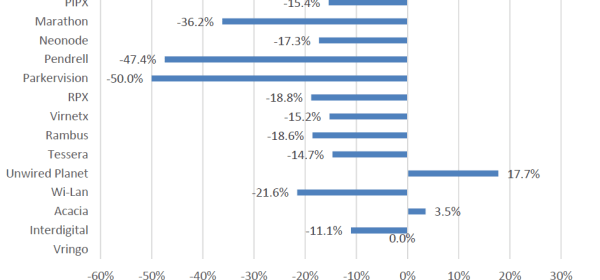
The PIPEX intellectual property sector stock index fell more than twice as much as the S&P 500 as the effects of the Alice and IPRs,
Lack of certainty and the high cost of monetizing patents are motivating some businesses to acquire impressive looking patents, not necessarily valid or essential ones.
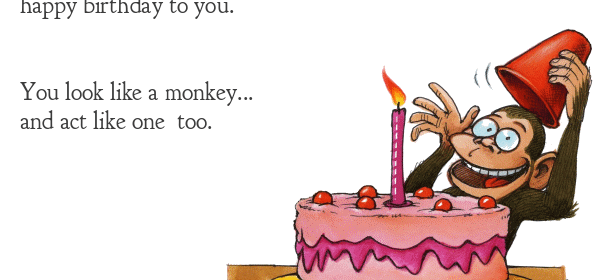
U.S. District Judge George H. King’s ruling earlier this week means that “Happy Birthday to You” is now what’s known as an “orphan work” —

A good patent is becoming increasingly harder to find. In the current issue of WIPO Magazine my article, “The puzzle that is patent quality,” looks at
This year’s London IP Summit will be chaired by Stephen Pattison of ARM Holdings Plc, one of the world’s leading patent licensing companies. The 4th
The Patent Starter Program announced last week by Google may be less about how the company can help protect young companies from patent “trolls” than

26 of a tiny company’s 31 finger print scanning patents were recently transferred to Apple. How Apple plans to use the invention rights is not
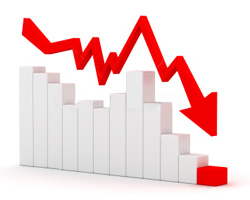
Shares of public IP companies (PIPCOs) continued to fare poorly in the 2Q of 2015. The stock of companies with larger market capitalization tended to
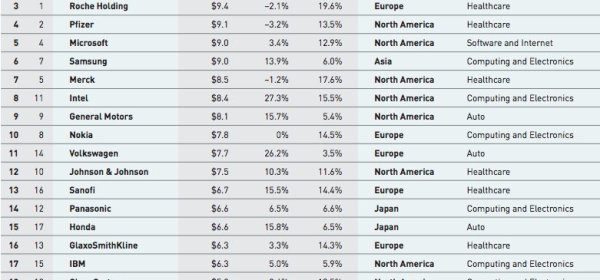
Which companies are truly (disruptively) innovative and which are merely using their R&D to maintain a low-growth franchise has become the subject of worthy debate.
Three things are needed to succeed today in patent licensing: more capital, more patience and more good patents, which are in increasingly short supply. Uncertainty
 ipcloseup.com