
This summer’s blockbuster, “Sinners,” a horror movie set in the 1932 Mississippi, has come to represent an strangely satisfying entertainment for audiences and a potential

This summer’s blockbuster, “Sinners,” a horror movie set in the 1932 Mississippi, has come to represent an strangely satisfying entertainment for audiences and a potential
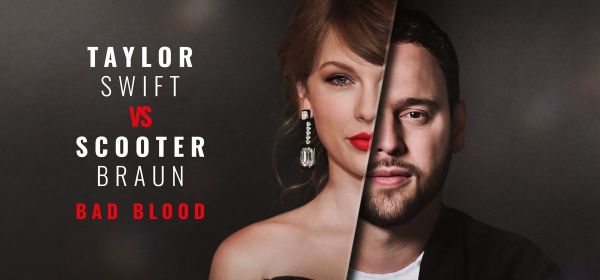
Taylor Swift has presented herself as an advocate of fellow recording artists, even going so far as to include shares of Spotify for them in

Thanks in part to data-hungry artificial intelligence and growing anger over foreign and domestic intellectual property abuses, fixing the IP system is more topical than

Words matter. The T-word, patent “troll,” has been used widely over the past 20 years to negatively predispose potential licensees, lawmakers, the courts, as well
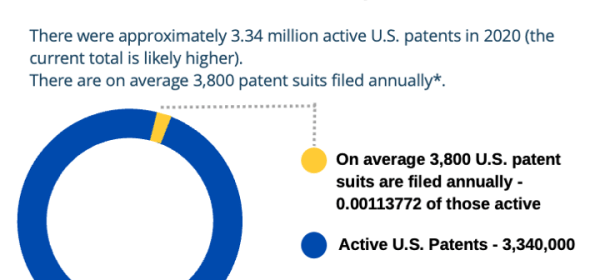
With the number of active U.S. patents approaching four million you would think patent suits are also up. Think again. Litigation is more infrequent than

When it comes to declining respect for intellectual property rights inventors and content creators, such as photographers, musicians and writers, as well as some trademark
An Intangible Investor article running on IPWatchdog that looks at the ownership and potential impact of ChatGPT cautions users, creators and investors about the impact
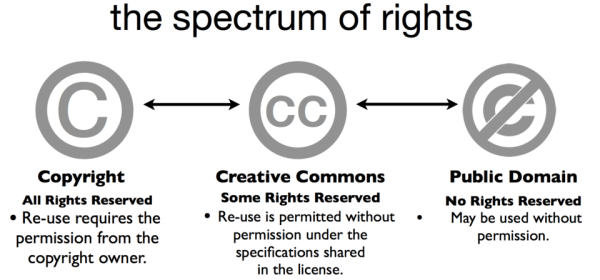
Mark Helprin is a successful novelist. He is also on a mission to keep the content he and others create out of the public domain.

Content creators on platforms like YouTube, TikTok and Instagram are discovering that not all creators are created equal, even when they are the source. Especially

Most of the prestigious MBA programs have expanded their intellectual property course offerings over the past twenty years, but even with the value of IP

Many senior executives and investors are surprised that the value of intangible assets are five times greater than tangibles for most major businesses. For S&P

Economic hardship and lack of exposure to innovation are preventing minorities, low-income backgrounds and women from becoming inventors. Those are the findings of “Lost Einsteins: Innovation
 ipcloseup.com