
Breakthroughs like Nvidia’s speedy Blackwell chips, used by most AI platforms for superior performance, are hugely important but so complex few people are even aware they exist.
Use is less abstract in the recent crop of winning inventions. They include a broad range of inventions and products that improve life, health and efficiency. But will they scale?
The leading inventions for 2025 by way of TIME are associated with 36 categories or industries. They are worth reviewing for their breadth and application, and how they reveal future trends.
Some of these products will become a part of our daily lives, others will turn out to sound better than they perform. In ether case, the growing number of categories for innovation and pace of invention is growing rapidly and it is reflected in these best inventions of the year. AI will further fuel their development.
From Robotics to Energy to Sports & Fitness, disruptive innovation is taking place in many industries and product areas.
Most Impactful
For each of the past 25 years, TIME editors have highlighted the most impactful new products and ideas in TIME’s Best Inventions. The first, published under a cover featuring the protracted Bush v. Gore presidential vote count in December 2000, covered about 35 inventions in total. Today, the coverage includes more than 300. Below are the current categories. Perhaps there should be even more?
States TIME: “[We] solicited nominations from editors and correspondents around the world, and through an online application process, paying special attention to growing fields, such as health care and artificial intelligence.”
_________________
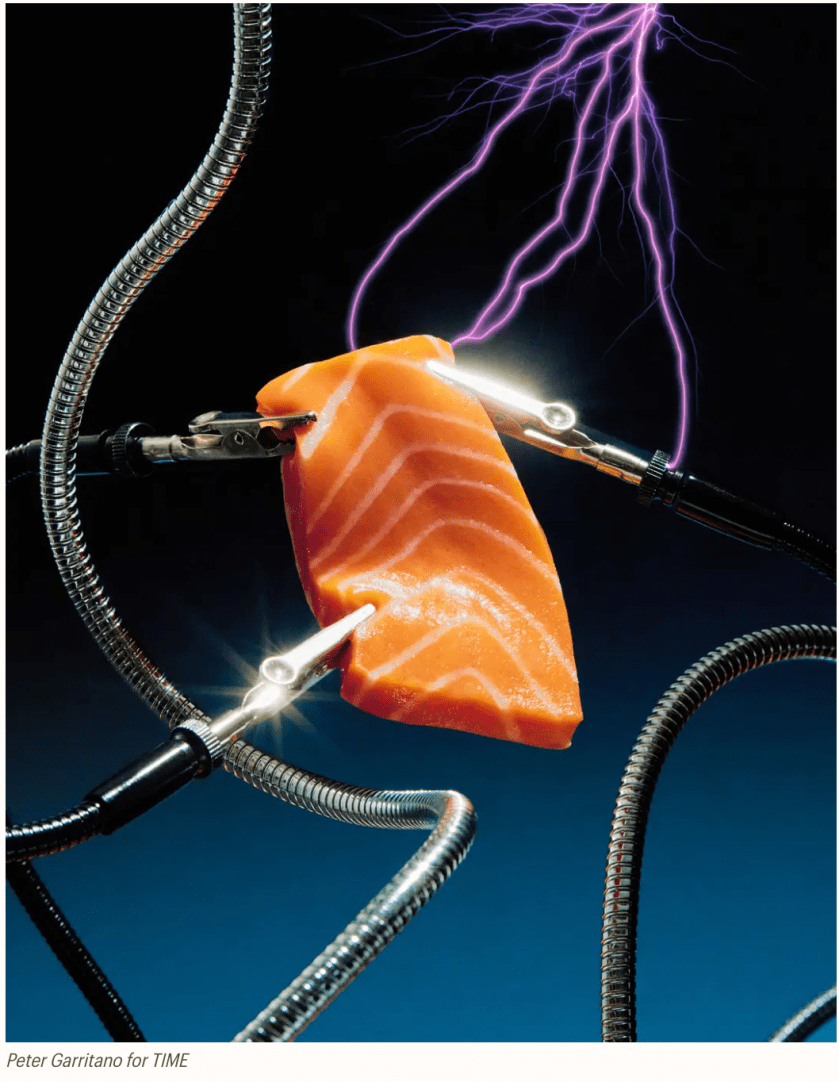
Wildtype Saku Salmon
(pictured above)
In May, Wildtype’s cultivated salmon became the first cell-grown seafood to receive approval from the U.S. Food and Drug Administration. (Lab-grown chicken was approved in 2023.) It was a long-awaited milestone for co-founders Justin Kolbeck and Aryé Elfenbein, who believe that cultivated proteins will help improve food security and lessen the environmental ramifications of commercial fishing.
By year’s end, Wildtype’s sushi-grade salmon saku will be served in restaurants in San Francisco, Seattle, Aspen, and beyond. Meanwhile, the company in September joined cell-cultivated chicken maker Upside Foods in a lawsuit against Texas to fight a new law banning the sale of cultivated foods in the state.
___________
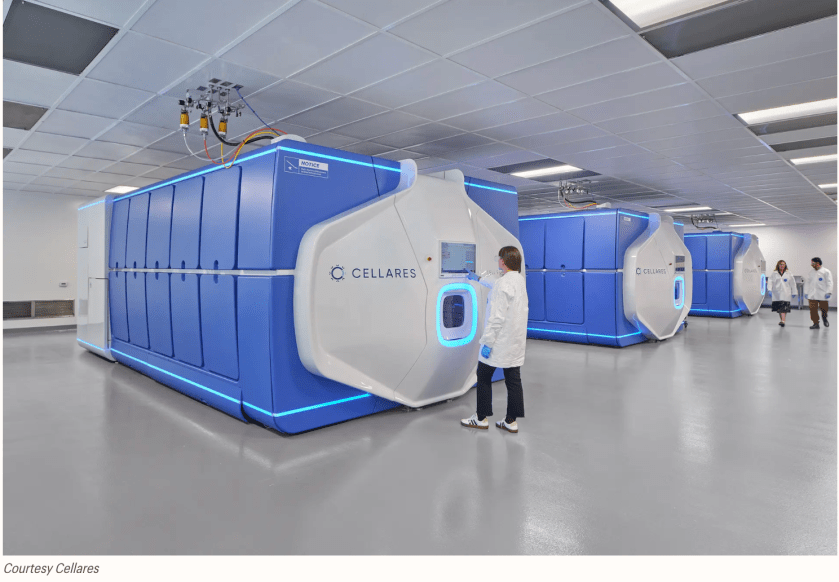
Cellares Cell Shuttle
Cell-based treatments, such as CAR T-cell therapies that help the immune system fight cancer and autoimmune diseases, are some of the most exciting new innovations in medicine. But they are often customized to each patient, making manufacturing arduous. Cellares’s Cell Shuttle is a novel system that leverages robotics to streamline production. It can make 16 different cell therapies at a time—enough to treat as many patients in one year as have received cell therapies in the U.S. so far. This year, it earned the FDA’s Advanced Manufacturing Technology designation, and the first factory is set to become operational in 2026 in New Jersey, with others planned for Europe and Japan.
____________
Methodology
After soliciting nominations, TIME then evaluated each contender on a number of key factors, including originality, efficacy, ambition, and impact.
The result is 300 groundbreaking inventions and 100 special mention inventions, including :
- An AI detector for teachers
- A home sprinkler system for wildfires
- The world’s biggest roller coaster, and
- A humanoid robot that loads the dishwasher
These and other developments are changing how we live, work, play and think about what is possible.
If you want a better idea of what the future might look like, read TIME’s review of recent breakthrough ideas and products.
Let me know which one are most and least impressive by emailing bberman@brodyberman.com.
Image source: time.com

